Besakih Temple
Bali's Largest and Most Sacred Hindu Mother Temple
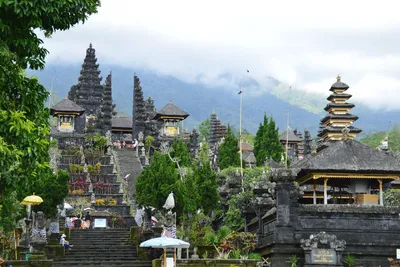
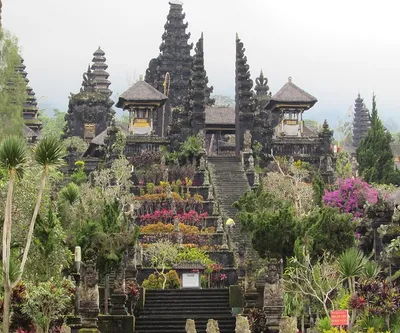
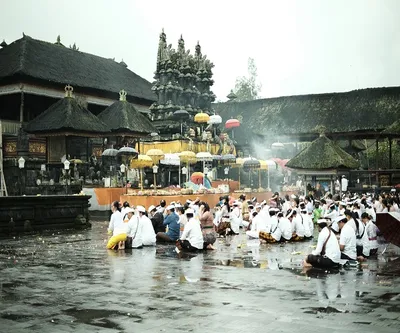
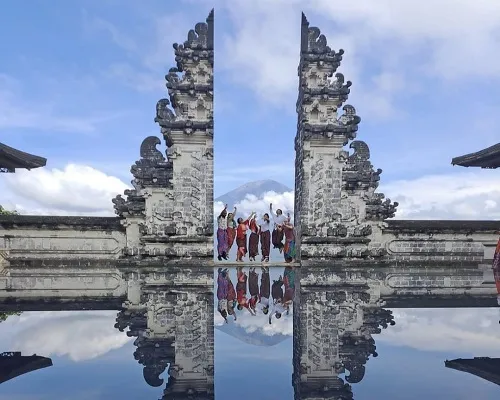
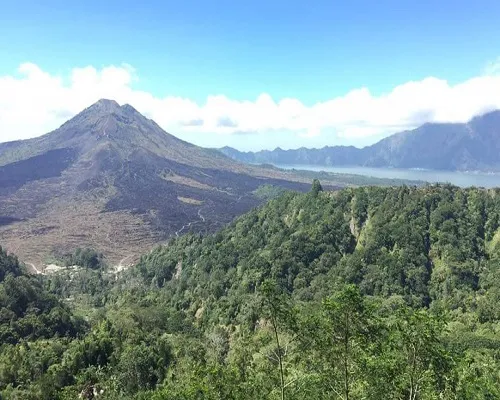
Besakih Temple, locally known as Pura Besakih, stands as Bali's largest and most sacred Hindu temple complex. Revered as the 'Mother Temple of Bali,' it offers an unparalleled spiritual and cultural experience. Nestled majestically on the southwestern slopes of Mount Agung, Bali's highest and holiest volcano, the temple boasts breathtaking panoramic views that stretch from verdant nature to the distant ocean, drawing visitors from all corners of the world. Located in the Besakih countryside, within the Rendang sub-district of Karangasem regency in the eastern part of the island, this historical site has been considered sacred since pre-historic times, with its earliest recorded mention dating back to 1007 A.D.
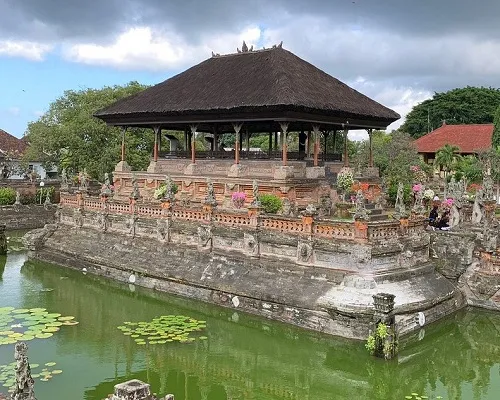
The immense complex, spanning 20 hectares, is a testament to Balinese spirituality, housing 46 large and small temples, including 18 distinct sanctuaries. It is meticulously designed according to principles of cosmic balance, with temples strategically aligned to cardinal directions, symbolizing the equilibrium of the universe. The three main temples within the compound are Pura Penataran Agung, dedicated to Sang Hyang Widi Wasa; Pura Kiduling Kreteg, dedicated to Brahma; and Pura Batu Madeg, dedicated to Wisnu.
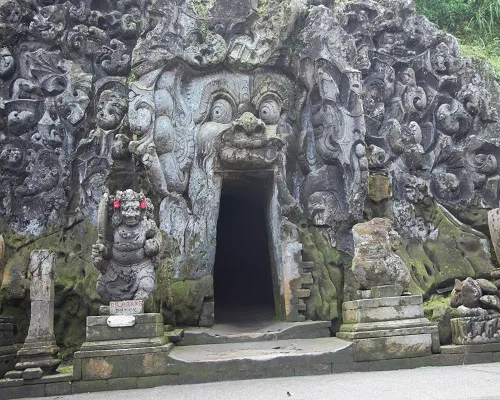
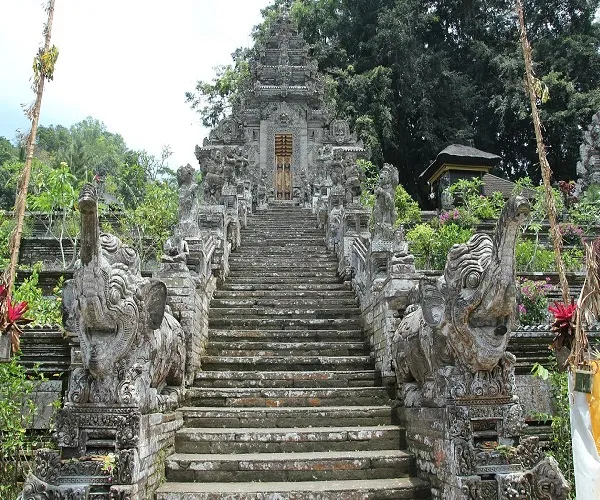
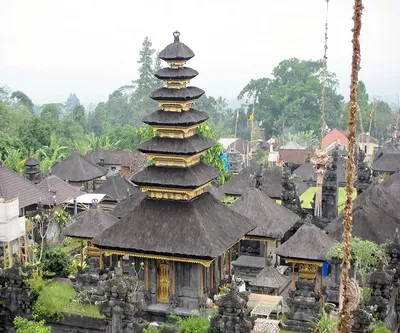
Architecturally, Besakih is a marvel, featuring seven levels connected by approximately 800 steps. Its unique buildings with odd-tiered roofs (1, 3, 5, 7, 9, 11) symbolize prosperity and ancient wisdom. The presence of megalithic relics like stone thrones and menhirs further underscores the temple's deep historical roots, long predating significant Hindu influences. The name 'Besakih' itself is derived from the Sanskrit word 'Wasuki,' meaning 'congratulations,' and carries connections to the mythical Naga Basuki from Hindu cosmology. For the Balinese, a pilgrimage to Besakih is a profoundly special event, especially during its numerous 'odalan' (anniversary celebrations) and the grand 'Kedasa' full moon ceremony, which sees the entire complex thronged with devotees.
What to Bring
- Modest clothing (e.g., covering shoulders and knees)
Notes
- Visitors are required to dress modestly, covering shoulders and knees. Sarongs and scarves are provided at the entrance as part of the admission to ensure proper attire for the sacred complex.
- The temple complex is vast and involves considerable walking and climbing of approximately 800 steps, offering a rewarding, albeit physically engaging, experience.
- Easily accessible, the temple can be reached via routes through Kintamani Village or Klungkung Village. Google Maps provides clear directions, or for convenience, consider booking transportation through services like Bali Traventure.
- Comprehensive facilities are available, including a large parking area, snack and drink stalls, and public toilets.