Kehen Temple
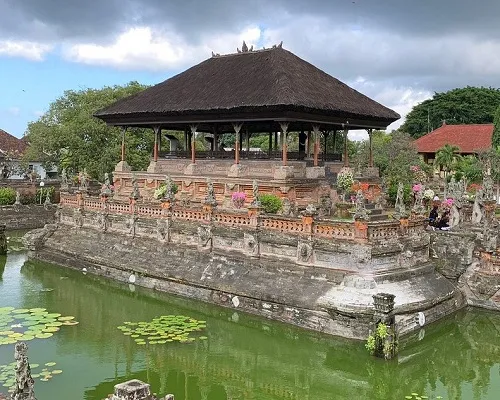
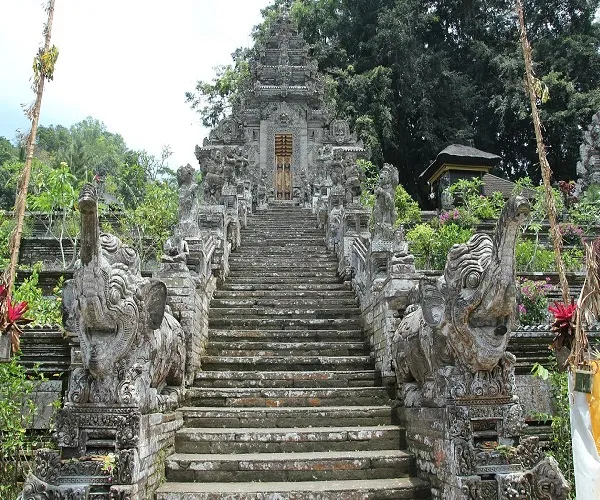
Kehen Temple, also known as the Temple of Fire, is a beautiful ancient Hindu temple featuring a unique Candi Kurung entrance gate.
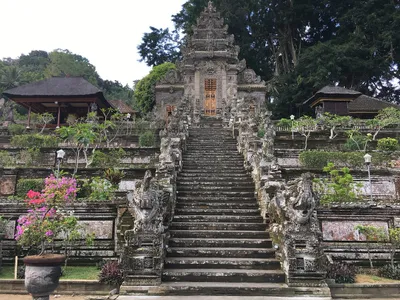
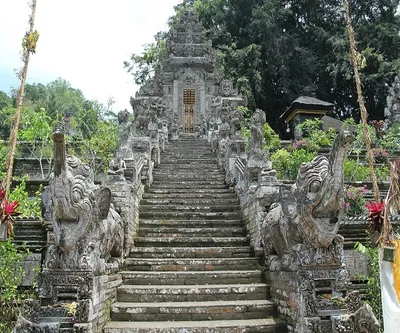
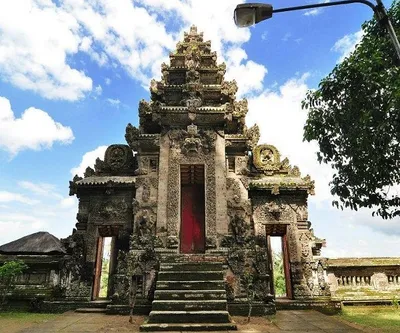
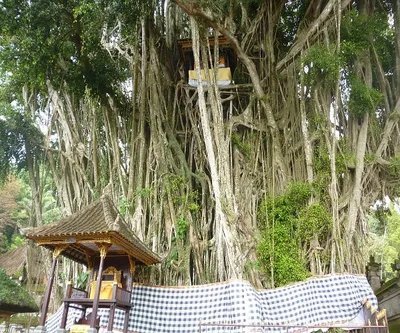
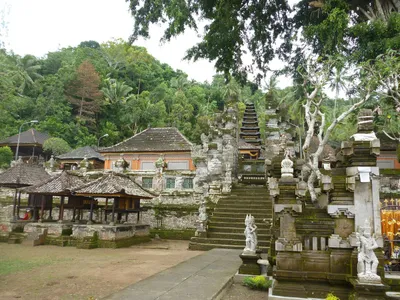
Nestled in the tranquil Bangli village, Kehen Temple, also known as Hyang Api Temple, stands as a profound testament to Bali's rich spiritual heritage. This ancient Hindu temple captivates visitors with its unique architecture, featuring a distinctive Candi Kurung entrance gate adorned with intricate Balinese carvings, making it a truly Instagrammable photo spot. Perched at an altitude of 483 meters above sea level, at the foot of the southern part of Bangli Hill, the temple offers enchanting panoramic views of the surrounding Bangli landscape, stretching to the north. Its history is deeply rooted in Balinese antiquity, with inscriptions found dating back to the 9th, 11th, and 13th centuries AD, indicating its existence since at least the late 9th or early 10th century. Originally known as Hyang Api, its name evolved to Hyang Kehen before becoming the Kehen Temple we know today. Beyond the Candi Kurung, another unique feature is the Bale Kul Kul, a traditional drum tower ingeniously built into the trunk of a massive, sacred banyan tree. The temple adheres to the traditional Balinese three-courtyard structure: Nista Mandala (outer), Madya Mandala (middle), and Utama Mandala (inner), each housing various sacred shrines and buildings reflecting the island's profound spiritual practices. Kehen Temple hosts routine ceremonies every six months, coinciding with the Pagerwesi holiday, and a major 'Ngusaba Dewa' ceremony every three years, drawing thousands of devotees in vibrant processions. Recognized as an invaluable cultural and spiritual asset, Kehen Temple invites visitors to immerse themselves in its ancient beauty and serene atmosphere.
Notes
- If you happen to visit on the day of a ceremony, please remain outside the temple premises to avoid disturbing the ongoing rituals.
- The people of Pakraman Cempaga Village are committed to maintaining and preserving the sanctity and heritage of Kehen Temple as a historical building and an invaluable spiritual and cultural asset for the sustainability of Hinduism in Bali.