Kehen Temple
Bali's Ancient Temple of Fire: A Historic Sanctuary with Unique Architecture and Panoramic Views.
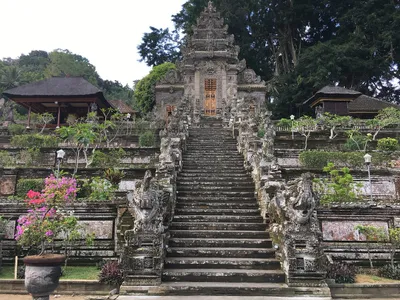
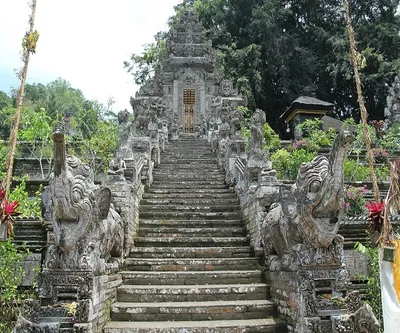
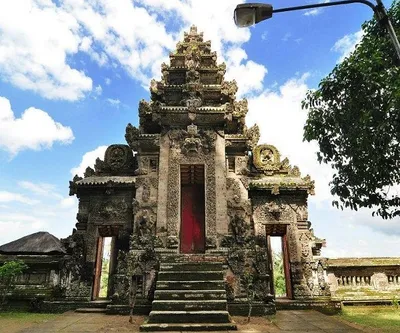
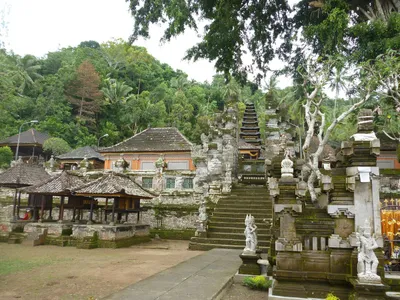
Kehen Temple, a revered Hindu sanctuary nestled in Bangli village, is famously known as the 'Hyang Api' or 'Temple of Fire.' Dating back to the megalithic era, it stands as one of Bali's oldest and most historically significant temples, with its ancient origins evidenced by copper inscriptions from the 9th to 13th centuries. The temple's unique charm is immediately apparent in its distinctive Candi Kurung entrance gate, adorned with exquisite Balinese carvings, setting it apart from other temples which typically feature Candi Bentar. This stunning gateway also serves as a popular and highly 'instagrammable' photo opportunity. Beyond its remarkable architecture, Kehen Temple offers enchanting panoramic views of the Bangli hills to the north, providing a serene and picturesque backdrop. The temple's structure adheres to the traditional Balinese tri-mandala concept, comprising Nista Mandala (outer courtyard), Madya Mandala (central courtyard), and Utama Mandala (inner courtyard), each imbued with profound spiritual significance. Visitors can explore the various sacred buildings and appreciate the deeply spiritual atmosphere of this invaluable cultural asset, which continues to uphold the beliefs of the Tri Murti Gods, evolved from earlier worship of natural forces.
Notes
- Kehen Temple is situated in Cempaga Village, Bangli District, Bangli Regency, approximately 43 kilometers (2 hours drive) from Denpasar. Google Maps can assist with navigation, and transportation services can be arranged through Bali Tour for a comfortable journey.
- Located in the highlands, the temple offers charming views and is close to other Bangli attractions, allowing for combined visits.
- During temple ceremonies, visitors are kindly requested to observe respectfully from outside the main area to avoid disturbing the rituals.
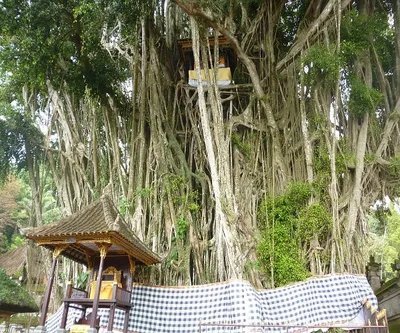
- The Bale Kul Kul is uniquely housed on a sacred Banyan Tree. Local tradition suggests that a broken banyan tree trunk signifies an impending major event or disaster.
- The temple holds semi-annual Piodalan ceremonies every six Balinese months on Buda Keliwon Wuku Sinta (coinciding with Pagerwesi) for five days. A major Ngusaba Dewa ceremony is held every three years during the fifth sasih for 9-11 days, including a large Melasti procession.