Kintamani Village
Kintamani Village, Bali, is a captivating tourist destination renowned for its breathtaking views of the majestic Mount Batur volcano and the serene Lake Batur, best observed from the Penelokan viewpoint.
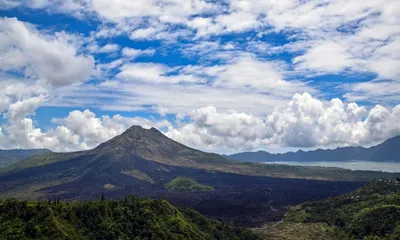
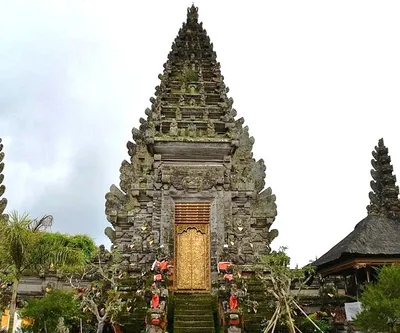
Perched at an elevation of 1500 meters, Kintamani Village offers a refreshing escape with its cool, damp climate, ideal for cultivating oranges and passion fruit. Every third day, the main street transforms into a vibrant market, bustling with vendors who sometimes travel on horseback from distant areas. This unique mountain tourism destination boasts stunning natural scenery, characterized by the dramatic volcanic caldera of Mount Batur, its deep crater lake—Bali's largest—and therapeutic hot springs. The Penelokan viewpoint, aptly named 'most strategic place to see the sights of nature' in Balinese, provides a spectacular panorama of Mount Batur and the vast expanse of black volcanic rock merging with the serene blue of Lake Batur, often hailed by tourists as the world's most beautiful caldera. Beyond its natural wonders, Kintamani is home to several significant temples, including Pura Batur Kintamani, located on the crater rim, which further enhances the village's already breathtaking vistas.
What's Included
- Private car transportation with an experienced driver (available for tour packages or rental services)
- Tour packages (e.g., Ubud and Kintamani Tour, Kintamani Tour) are available at affordable prices.
Itinerary
Time
Activity
Flexible
Visit Batur Temple in Kintamani, a significant Hindu cult place dedicated to the god residing on Mount Batur, revered for its ancient history and cultural importance across Central Bali.
04:00 AM
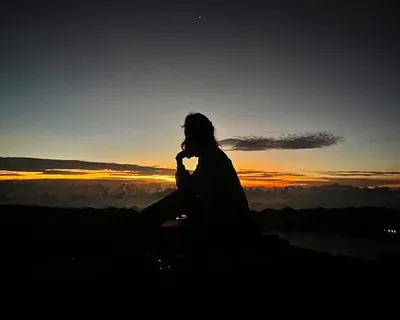
Embark on the Mount Batur Sunrise Trekking Tour. Depart early morning to reach the starting point by 4:00 AM, then trek for approximately 2 hours on an easy track to the summit. Witness a spectacular sunrise over Mount Batur and its caldera, an unforgettable experience before descending.
Flexible
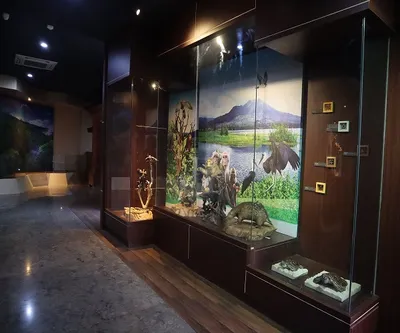
Explore the Geopark Museum, which showcases national and global geoparks. Learn about the geological, biological, and cultural diversity of the region, including the history of Mount Batur's eruptions and its formation through fascinating displays of volcanic rocks.
Notes
- Kintamani Village, also known as Cintamani, has a rich history with several interpretations. It is believed to mean 'something that can give inner and outer happiness' according to Sanskrit texts found in the Vedas, suggesting its designation as a place of profound well-being.
- Another historical perspective suggests 'Cintamani' derives from 'Love and Mani' (gem), interpreting it as a 'very interesting gem/love charm.' The word also appears in Vedic literature as 'Maha Rsi Wira Chintamani' and in the Kekawin Ramayana, where it signifies 'Bead of Asta Gina,' further reinforced by the local Pura Manik Astagina temple, believed to bestow success in arts and work.
- The area holds ancient significance, with inscriptions from 911 AD mentioning royal envoys praying at Trunyan village and regulations between villages. Inscriptions from 967 AD refer to a lodging (pesangrahan) at Air Mih and regulated the settlement of priests (bhiksu).
- Stone sculptures carved in 1011 AD by 'Mpu Bga' found 1 km north of Kintamani further highlight the region's long history and spiritual importance.
- The original Batur Temple was situated on the slopes of Mount Batur but was destroyed by an eruption, leading to its relocation to the current Kintamani tourist attraction, offering stunning mountain and lake views.
- Reaching Kintamani Village from Denpasar takes approximately 2 hours. There are three main routes: via Ubud and Tegalalang rice terraces, via Payangan village, or via Gianyar through Tirta Empul. From Ubud, the journey is shorter, about 1 hour via Tegalalang.
- For convenient travel, it is recommended to use Google Maps or consider booking transportation rental services with an experienced driver through local tour providers.
- The region's inspiring natural scenery and magical views have attracted notable figures, including Indonesian novelist Sutan Takdir Alisyahbana, who produced many literary creations while lodging at the foot of Mount Batur.