Bali Ubud Monkey Forest
A Sacred Nature Reserve and Temple Complex in Ubud Village, Bali
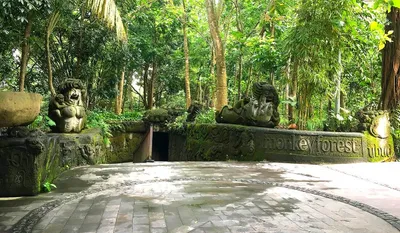

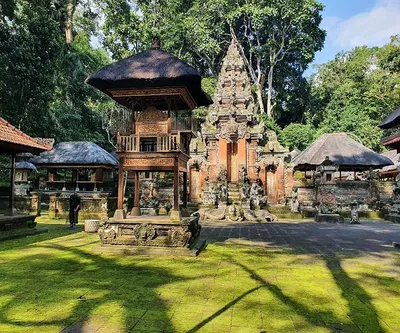
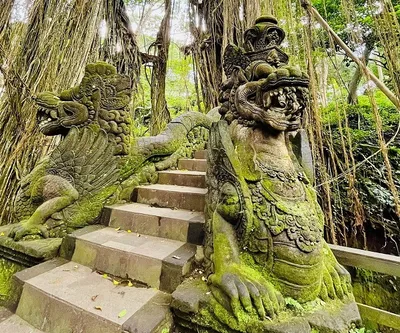
The Bali Ubud Monkey Forest, officially known as the Padangtegal Mandala Wisata, is a renowned nature reserve and temple complex nestled in the heart of Ubud, Bali. This sacred sanctuary is a vibrant tropical rainforest, home to approximately 800 long-tailed macaques (Macaca fascicularis) and a variety of other indigenous tropical animals. Strategically located within Ubud Village, the forest plays a crucial role in maintaining the monkey habitat and the natural balance of the island.
The complex is built upon the philosophy of Tri Hita Karana, emphasizing harmony between humans and God, humans and their natural environment, and humans with each other. This concept is tangibly reflected in the forest's preservation, fostering a respectful relationship between visitors and the resident monkeys, and highlighting the spiritual significance of the area.
Within its 12.5-hectare sacred grounds, the sanctuary houses three revered Hindu temples: Pura Dalem Agung Padang Tegal (the "Temple of the Dead," dedicated to Shiva and Durga), Pura Beji (a sacred purification temple for the goddess Ganga, where villagers collect holy water for ceremonies), and Pura Prajapati (dedicated to Sanghyang Widhi as Prajapati and Dewi Durga, serving as a burial site for spirits awaiting cremation).
Research from Udayana University has identified 115 tree species within the forest, some of which hold profound sacred significance in Balinese Hindu worship, such as the Majegan tree (used for temples), Banyan tree (for cremation ceremonies), and Pule Bandak tree (symbolizing forest spirit, used for sacred masks).
The long-tailed macaques, the primary inhabitants, live in distinct social groups of females and males. Adult males can weigh up to 10 kg, while females are smaller. These highly successful primates, widespread across Southeast Asia, exhibit complex social dynamics and maternal care, with mating occurring year-round, peaking from May to August.
Beyond its cultural and ecological importance, Ubud Monkey Forest serves as a significant site for conservation and research programs. Researchers worldwide study the unique interactions between humans and monkeys here, underscoring its role as a vital ecological preservation area.
This enchanting destination offers visitors a chance to immerse themselves in natural beauty, observe fascinating wildlife, and experience Bali's profound spiritual heritage. It is an ideal spot for families and children, promising an unforgettable journey into a harmonious natural and cultural landscape.
Notes
- The Ubud Monkey Forest is open from 09:00 AM to 06:00 PM, with ticket purchasing available from 09:00 AM to 05:00 PM. Please plan your visit within these hours.
- Exercise caution around the monkeys, especially mothers with their young, as they can be highly protective. Avoid disturbing them.
- For assistance or if you feel uneasy around the monkeys, approach the official Wenara Wana personnel, identifiable by their green uniforms and traditional 'udeng' headwear.
- Do not bring food or drinks into the Ubud Monkey Forest. If you have any, please store them securely in your bag to prevent aggressive interactions with the monkeys.
- When visiting the sacred temples within the forest, please maintain polite and respectful behavior, acknowledging the sanctity of these sites.
- Refrain from throwing coins or playing with the holy water in the pool in front of Beji Temple, as this is not part of local cultural practices.
- If you wish to take photos with the monkeys, kindly ask the on-site staff for assistance. They can help you capture the best angles and ensure a safe interaction (tips are appreciated).
- The Ubud Monkey Forest offers a wonderful experience for families and children, providing opportunities for direct interaction with the monkeys and insights into their behavior.