Uluwatu Temple
Perched majestically on a 70-meter-high cliff, Uluwatu Temple is a sacred Balinese Hindu temple offering breathtaking ocean vistas and spectacular sunset views.

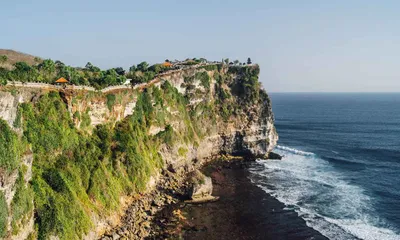
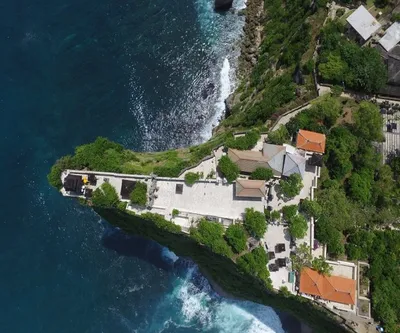
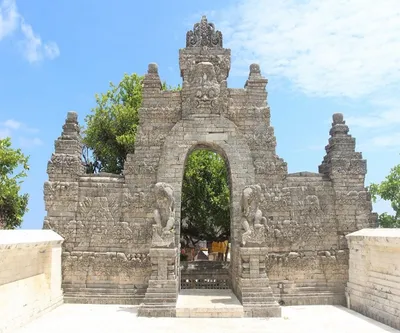
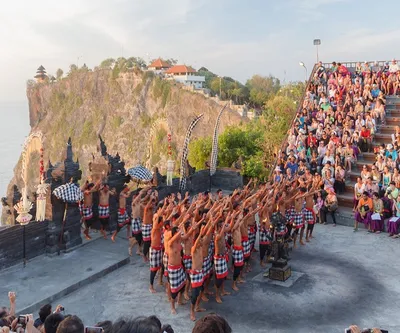
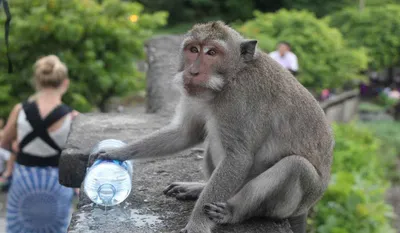
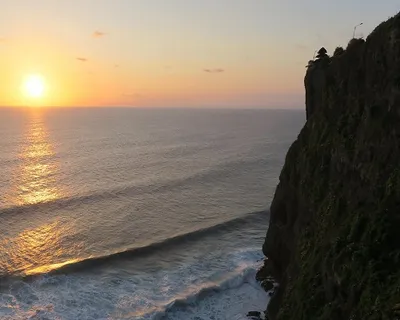
Uluwatu Temple, also known as Pura Luhur Uluwatu Temple, is a captivating Balinese Hindu temple situated in Pecatu Village, Kuta Sub-district, Badung District, Bali, approximately 30 kilometers south of Denpasar. As one of the six Sad Kahyangan Temples, it serves as a crucial spiritual pillar for Bali Island. This iconic temple is Bali's most popular tourist attraction, renowned for its unparalleled sunset views over the Indian Ocean. Perched dramatically on a 70-meter-high cliff, its unique location offers visitors stunning panoramic vistas, accessible via a long stone stairway. Unlike most Balinese temples, Uluwatu remarkably faces east. Beyond its natural beauty, the temple hosts the enthralling Kecak and Fire Dance performance nightly, an hour-long Ramayana story presented in an open-air theater with the sunset and ocean as a breathtaking backdrop. The temple grounds are also home to hundreds of long-tailed macaque monkeys, believed to guard the sacred site. While they are a fascinating part of the experience, visitors are advised to be mindful of their belongings as the monkeys are known for their playful, sometimes mischievous, nature.
What's Included
- Use of sarong and waist scarf (included with entrance ticket for temple entry)
- Access to spacious parking facilities
- Public toilet access
Itinerary
Time
Activity
Before Sunset (approx. 17:00 - 17:30)
Arrive at Uluwatu Temple to explore the grounds, enjoy the cliffside views, and purchase tickets for the Kecak dance.
18:00 - 19:00
Watch the traditional Kecak and Fire Dance performance at the open-air theater, featuring a captivating Ramayana story against the backdrop of the setting sun (tickets highly recommended to be purchased early, usually selling out by 17:30).
18:15 - 18:30
Witness the spectacular sunset over the Indian Ocean from the temple area or the Kecak dance theater, a phenomenal natural beauty lasting approximately 15 minutes.
What to Bring
- Secure personal belongings (glasses, hats, mobile phones, jewelry, etc.) in bags to prevent monkey interactions, as monkeys are known to snatch items.
- Avoid bringing or openly displaying food and drinks within the temple area to deter monkeys.
- Appropriate clothing for temple visits is required; sarongs and sashes are provided at the entrance as part of the entrance ticket.
Notes
- Uluwatu Temple's history is debated, with origins attributed to either Mpu Kuturan in the 9th century AD or Dang Hyang Nirartha in 1489 AD.
- Geographically, the temple is unique, sitting on a high cliff 79 meters above sea level and spanning 5,000 m², with its layout adhering to the Tri Mandala concept. Unlike many Balinese temples, it faces east.
- Be cautious of the long-tailed macaque monkeys; they are protected residents but can be aggressive if disturbed or if food/unsecured items are visible. Temple officers are available to assist.
- Visitors must show respect: refrain from photographing people during prayer, do not step on offerings (Canang Sari), and maintain decorum as it is a sacred Hindu site.
- The Piodalan (anniversary ceremony) is held on Anggara Kasih day in wuku Medangsia (Caka calendar) and lasts three days. Major celebrations occur every six months according to the Balinese 210-day Pawukon cycle.
- Public transportation to Uluwatu Temple is not available; it is highly recommended to arrange private transportation, hire a car with a driver, or book an organized tour.
- Many visitors choose to conclude their Uluwatu experience with a romantic seafood dinner at Jimbaran Bay, located conveniently nearby.